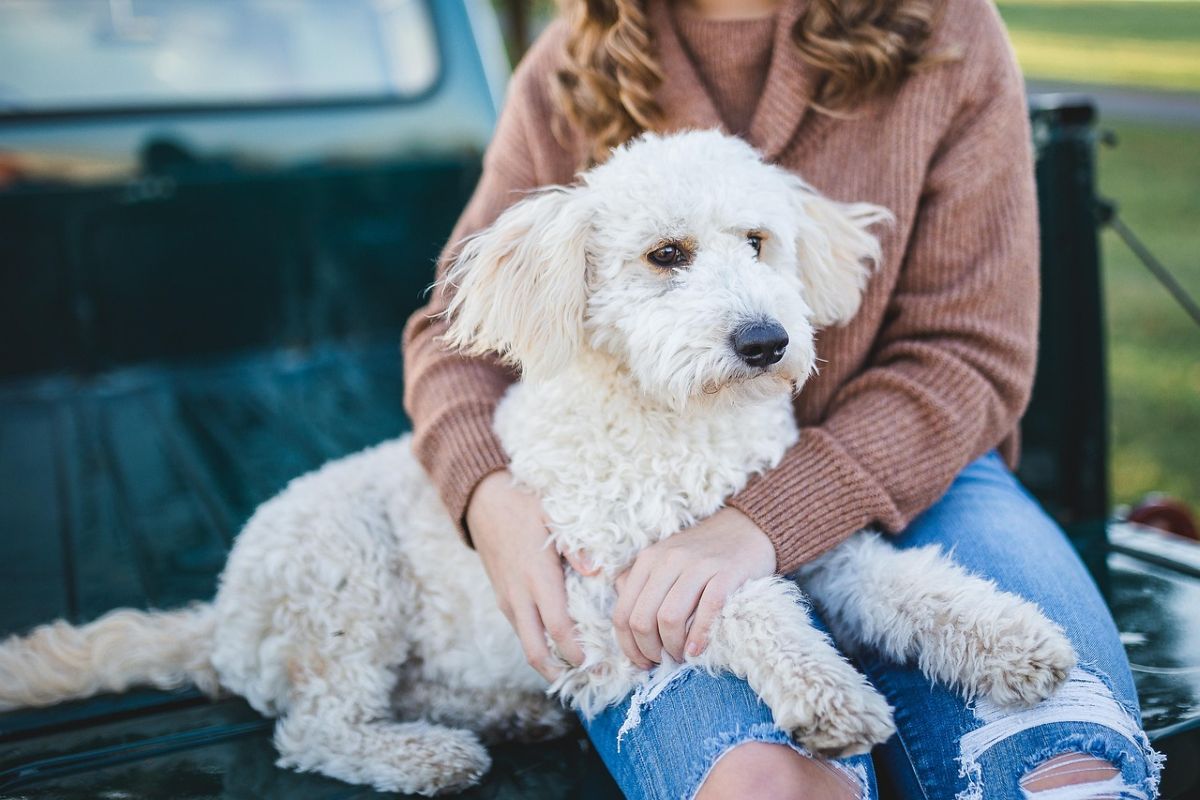
Bringing a puppy into your home is an exciting step, but it also comes with responsibility. One of the first priorities is ensuring your puppy stays healthy from the beginning. Scheduling puppy vaccines early helps protect against common diseases and builds a strong foundation for long-term wellbeing. A trusted vet will guide you through the correct timeline, ensuring your puppy develops immunity at the right stages of growth.
Another important aspect of early care is protection from parasites. Using a reliable puppy flea treatment helps prevent irritation, skin issues, and potential infections. Fleas can quickly become a problem if not managed, especially in warmer climates. Regular preventative care keeps your puppy comfortable and avoids larger health concerns later on.
Nutrition plays a key role in your puppy’s development. High-quality puppy food supports growth, energy levels, and immune health. Puppies require more frequent feeding than adult dogs, usually three to four small meals a day. Fresh water should always be available, and portion sizes should be adjusted as your puppy grows. Avoid feeding human food, as some ingredients can be harmful.
Training should begin as early as possible. Puppies are highly receptive during their early months, making this the ideal time to establish routines and boundaries. Basic commands like sit, stay, and come create structure and improve communication. Consistency is important, and positive reinforcement works best. Rewarding good behaviour encourages your puppy to repeat it.
Socialisation is equally important. Introducing your puppy to different environments, people, and other animals helps build confidence and reduces fear-based behaviour later in life. Controlled exposure ensures your puppy feels safe while learning how to interact with the world around them.
Exercise is essential, but it should be appropriate for your puppy’s age and breed. Short walks and play sessions help burn energy and support physical development. Over-exercising can strain growing joints, so it’s important to keep activity balanced. Interactive play also strengthens the bond between you and your puppy.
Grooming is another key part of care. Regular brushing keeps your puppy’s coat clean and reduces shedding. It also allows you to check for skin issues or abnormalities. Bathing should be done as needed, using products specifically designed for dogs. Nail trimming and ear cleaning should also become part of your routine.
Creating a safe and comfortable environment at home helps your puppy settle in quickly. A designated sleeping area, toys, and clear boundaries provide structure. Puppies explore through chewing, so keeping harmful items out of reach is important. Providing appropriate chew toys can prevent damage to furniture and belongings.
Routine vet check-ups ensure your puppy stays on track with growth and health milestones. These visits allow early detection of any issues and keep preventative care up to date. Building a relationship with your vet also provides ongoing support as your puppy matures.
Looking after a puppy requires time, patience, and consistency. By focusing on health, training, and a supportive environment, you set the foundation for a well-adjusted and happy dog. The effort invested early will shape your puppy into a confident and healthy companion for years to come.